UNINET® Blog
| TRANSFER NEWS
What is the Best Garment Decoration Method for Beginners?
A Comparison of the 4 most popular methods available today
Best Garment Decoration for Beginners: DTF vs White Toner vs Sublimation vs HTV
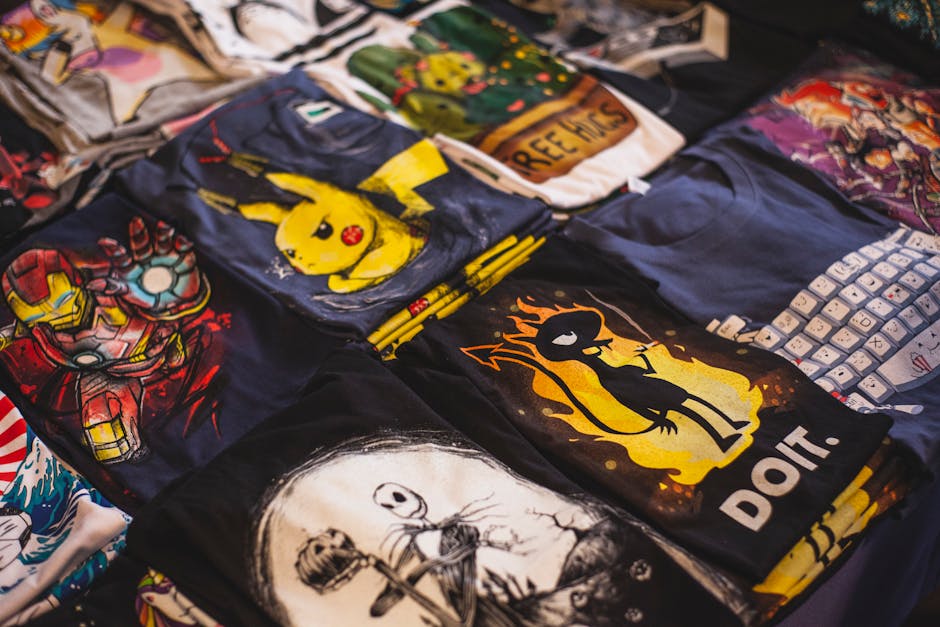
Starting a T-shirt business means picking the right printing method. Beginners often weigh cost, ease of use, and the types of garments they can decorate. Four popular options are sublimation, heat transfer vinyl (HTV), direct-to-film (DTF) inkjet printing, and white toner transfer. Each has strengths and trade-offs. This article compares them using real entry-level costs, maintenance needs, and fabric compatibility so you can decide which method fits your start-up.
Understanding the Four Main Methods
Before comparing, it helps to know how each process works. Sublimation uses heat-activated ink that turns into a gas and bonds with polyester fibers. It results in a soft, permanent print but only on white or light-colored poly-rich materials. Heat transfer vinyl (HTV) is a cut vinyl product that is weeded and pressed onto fabric. It works on many fabric types but requires a cutting machine and weeding time. DTF inkjet printing uses liquid CMYK + white ink to print onto a special film, then a powder adhesive is applied and heat-cured. White toner transfer uses a laser toner process to print on paper or film, using separate adhesive sheets for dark garments.
Sublimation: Low Entry Cost but Limited Fabric Options
A complete entry-level sublimation kit, such as the Sawgrass SG500 with starter ink, costs about $574. The process does not require weeding or cutting, and prints have a soft hand feel. However, sublimation is only effective on white or light-colored garments made of high-polyester content (100% polyester recommended). Cotton and dark fabrics are not compatible because the ink cannot infuse into those materials. Additionally, sublimation printers need daily self-maintenance to prevent clogging, which can be a drawback for beginners who do not print every day.
Heat Transfer Vinyl (HTV): Simple but Labor-Intensive
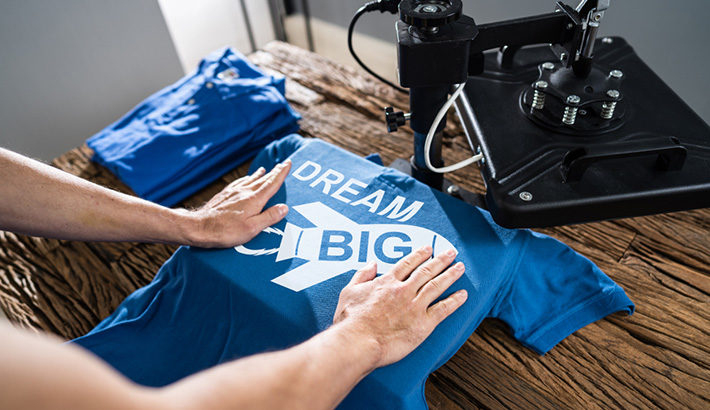
HTV is one of the easiest methods to start with. You need a vinyl cutter, a heat press, and rolls of heat-activated vinyl. The process involves designing, cutting, weeding away excess material, and pressing the design onto the garment. HTV works on cotton, polyester, and blends, and you can use different colors by layering. But each color requires a separate cut and press, making multi-color designs time-consuming. Weeding can take significant manual effort, especially for intricate details. For a beginner who only needs small runs of simple one or two-color designs, HTV is a low-cost option, but scaling up becomes tedious.
DTF Inkjet Printing: High Quality but High Maintenance and Cost
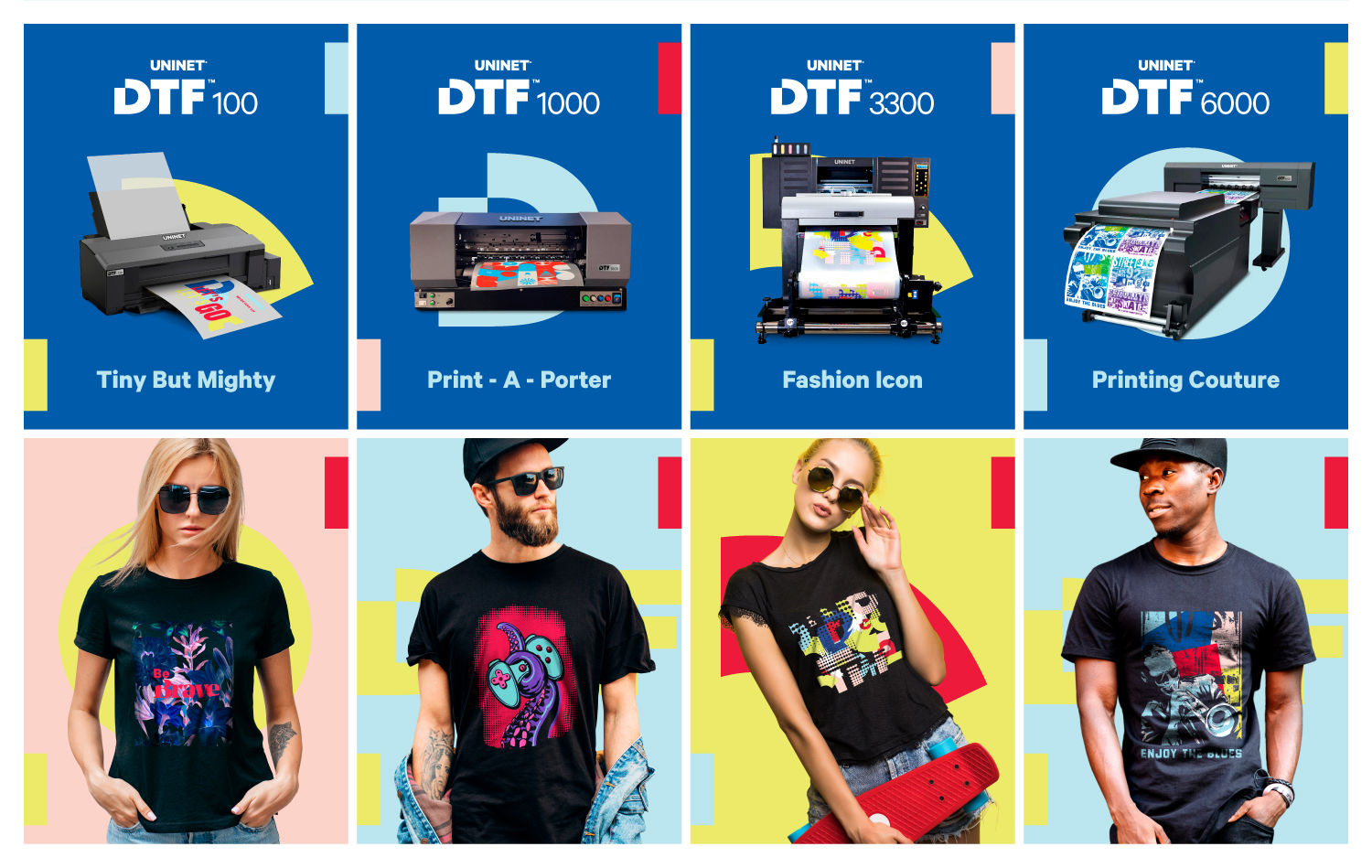
Direct-to-film inkjet printers use CMYK plus white ink and require a powdered adhesive (often TPU-based) that is shaken onto the wet ink and then melted. Entry-level DTF inkjet systems start at $15,000 or more, which is a steep investment for a beginner. These printers demand daily maintenance to keep the print heads from clogging, and the adhesive powder can release MDI vapors when heated, prompting health warnings from OSHA, EPA, and CDC. DTF inkjet produces vibrant, durable prints on a wide range of fabrics, including cotton and dark colors, but the cost and upkeep make it better suited for established shops with high volume.
White Toner Transfer: The Beginner-Friendly Balance
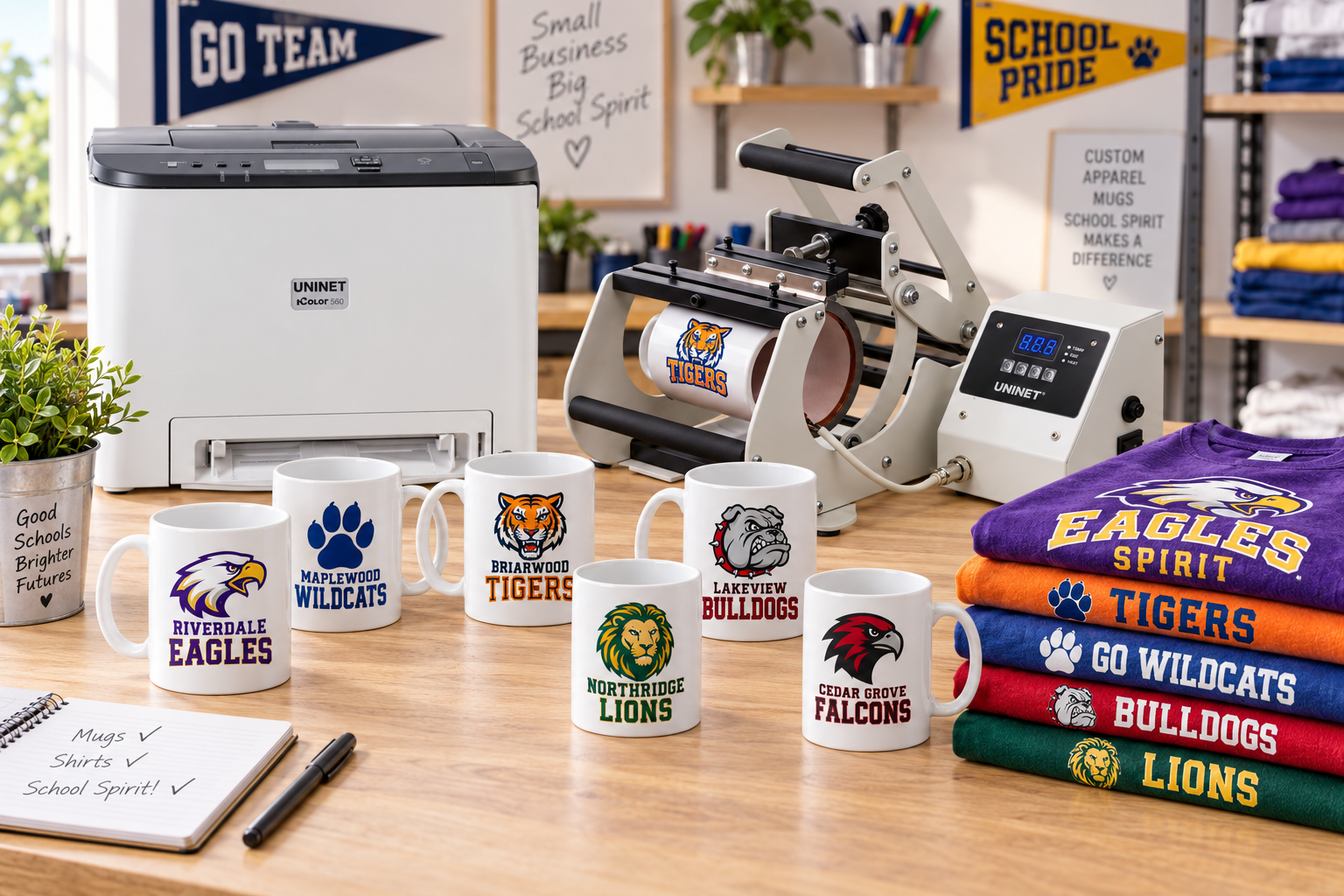
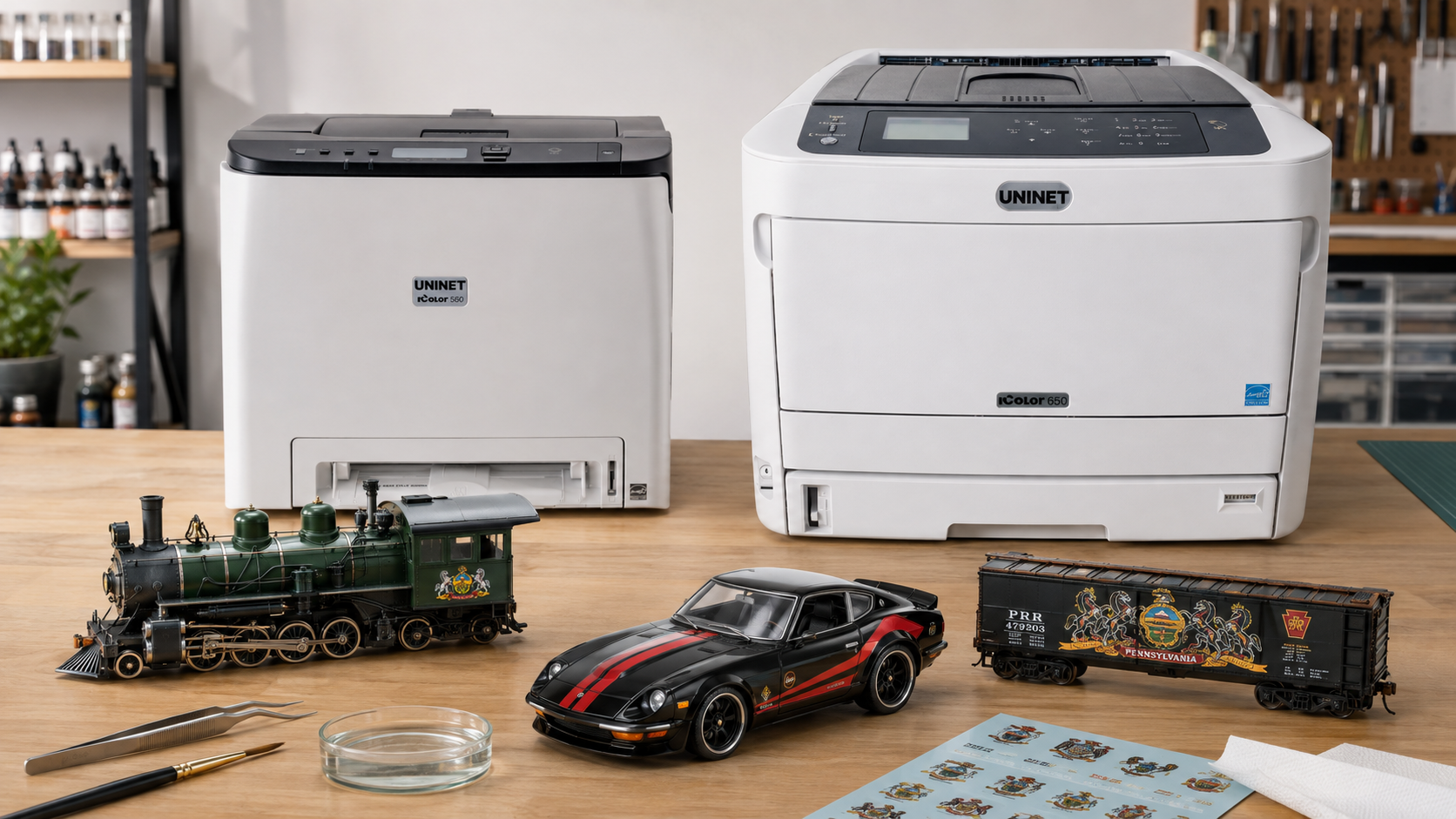
White toner transfer printers, such as the UNINET IColor 560, use a laser toner engine to print onto special transfer paper or film. The white toner layer provides opacity on dark fabrics, while light garments can be printed in a one-step process. Dark garments require a second step where a separate adhesive sheet is married to the print before pressing. Despite that extra step, the process is straightforward and requires no weeding or cutting and no maintenance. The IColor 560 has an entry price around $3,995, which is higher than a sublimation starter kit but much lower than a DTF inkjet system.
Low Maintenance Means Less Downtime
One of the biggest advantages for beginners is maintenance. White toner printers do not have liquid ink or print heads that clog. They can be turned off for weeks or even months and then resume printing without major cleaning or priming. In contrast, sublimation printers need daily checks to prevent ink from drying in the nozzles, and DTF inkjet printers require regular flushing and cleaning cycles. For a part-time or hobby-start business, the ability to neglect the printer for a while without losing print quality is a major time and frustration saver.
Print on Cotton, Polyester, Dark, and Light
White toner transfer works on both light and dark garments, and it is compatible with cotton, cotton-poly blends, canvas, denim, leather, and other fabrics. This flexibility is a key advantage over sublimation, which is limited to light polyester. A beginner with a white toner printer can accept orders for black cotton T-shirts, white poly sportswear, and even non-apparel items like canvas tote bags. The ability to handle diverse substrates without adding expensive extra equipment makes white toner a versatile foundation for a growing business.
Speed of Production
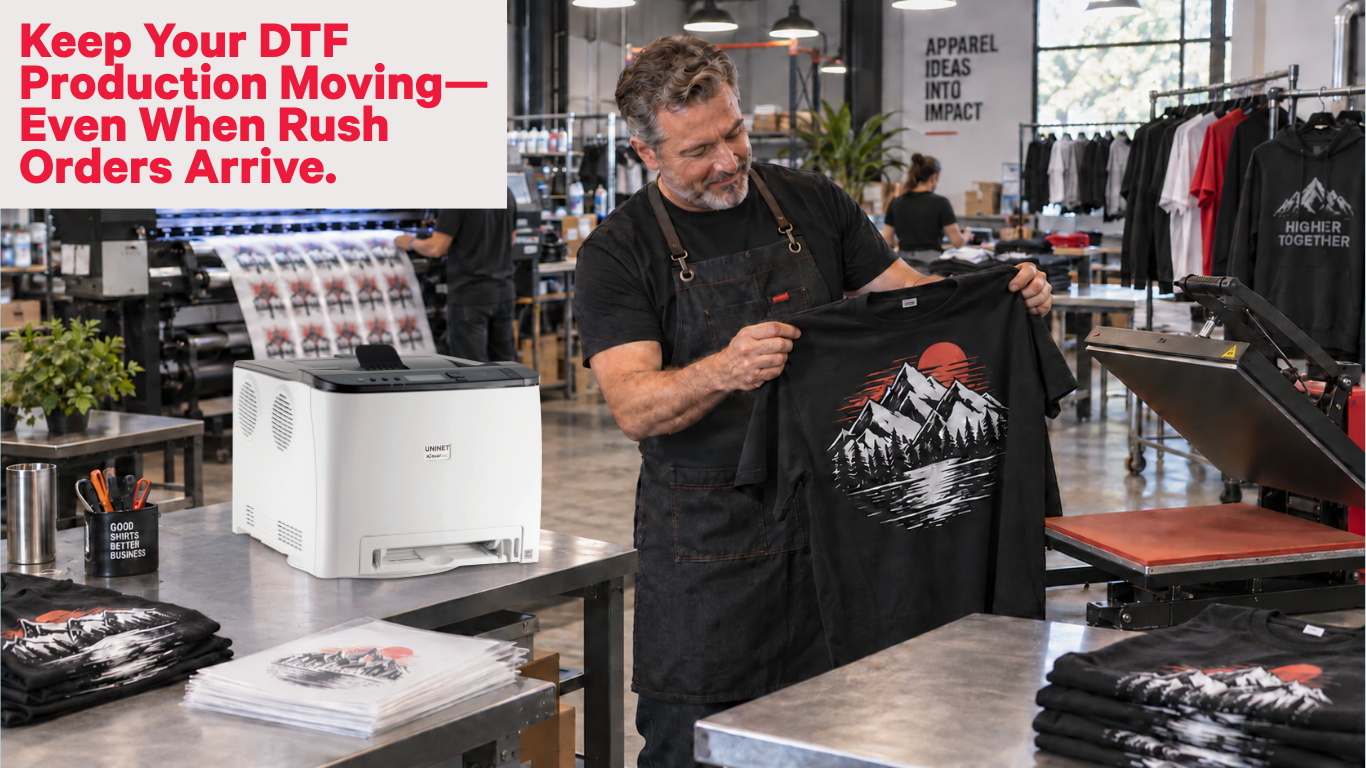
Since white toner transfer does not require weeding, cutting, or waiting for ink to dry between layers, production speed is high for small batches. Light garments can be printed, pressed, and finished in a few minutes per piece. Dark garments require the two-step adhesive process but still avoid the long setup times of HTV multi-color layering or the daily cleaning routines of inkjet DTF. For a beginner fulfilling small orders or custom one-offs, this speed translates to faster delivery and happier customers.
Comparing the Four Methods in a Table
Feature | Sublimation | HTV | DTF Inkjet | White Toner (IColor) |
|---|---|---|---|---|
Entry Cost | ~$574 | Low (cutter + vinyl) | $15,000+ | $3,995 |
Daily Maintenance | Required | None (cutting only) | Required | Minimal to none |
Weeding Needed | No | Yes | No | No |
Dark Garments | No | Yes | Yes | Yes |
Light Garments | Yes (poly only) | Yes | Yes | Yes |
Cotton Compatible | No | Yes | Yes | Yes |
Health Concerns (powder vapors) | No | No | Possible (MDI) | No |
Storage Without Printing | Needs daily use | N/A | Needs daily use | Months OK |
This table highlights the trade-offs. Sublimation has the lowest entry cost but is limited to light polyester. HTV is inexpensive to start but time-consuming for multi-color designs. DTF inkjet offers broad fabric compatibility but at a high price and with maintenance and health considerations. White toner transfer balances moderate entry cost with low maintenance, no weeding, and the ability to print on both dark and light fabrics of many material types.

Why White Toner Can Be the Best Choice for Beginners.
For a newcomer with a limited budget and a desire for simplicity, white toner transfer stands out. The IColor 560’s price of $3,995 is affordable compared to DTF inkjet systems, and the cost is quickly recouped by selling custom garments at retail. The laser toner process avoids clogged heads, so you can print a few shirts on Saturday and leave the machine off until the next week without harm. The ability to decorate both cotton and polyester, as well as hard substrates like coasters and phone cases, gives beginners a wider product range to offer customers.
Eliminating weeding saves hours of tedious work, which is often the hidden labor cost in HTV businesses. Eliminating daily maintenance removes the worry of a dead printer on a Monday morning when an order is due. While white toner transfer for dark garments requires a two-step process involving a separate adhesive sheet, this is still faster than weeding individual vinyl layers or dealing with inkjet clogs.
Businesses that start with white toner printing can add other methods later as demand grows. For instance, a shop that already has a white toner printer can add a small sublimation setup for polyester giveaways or a vinyl cutter for simple name tags. But for a beginner seeking the least frustrating path to producing full-color prints on a variety of garments, white toner transfer is a strong recommendation.
Frequently Asked Questions
Does White Toner Printing Work on 100% Cotton T-Shirts?
Yes. White toner transfer is compatible with cotton, cotton-poly blends, canvas, denim, leather, and many other materials. The transfer sits on top of the fabric using an adhesive, unlike sublimation, which requires polyester fibers for dye infusion.
Do I Need a Heat Press for White Toner Transfers?
Yes, you need a heat press to fuse the toner transfer onto the garment. A standard clamshell or swing-away press works for light garments in one step. Dark garments require a two-step process where an adhesive sheet is applied first, then the full-color print.
How Does White Toner Printing Compare to DTF Inkjet in Terms of Durability?
Both methods produce durable, washable prints when properly applied. White toner transfers use a sheeted adhesive that bonds well with fabrics. DTF inkjet uses a powder adhesive that can be more flexible. Wash testing results are similar, though proper care instructions should always be followed.
Choosing a decoration method is a personal business decision. Beginners who value low maintenance, broad fabric compatibility, and reasonable startup cost will find white toner transfer a compelling option. The UNINET IColor series of printers offers a proven entry point that lets you start printing on dark and light garments without daily fuss.