UNINET® Blog
| TRANSFER NEWS
DTF Printers - What is the Total Cost of Ownership?
Don't forget the hidden costs of keeping your DTF Printer running
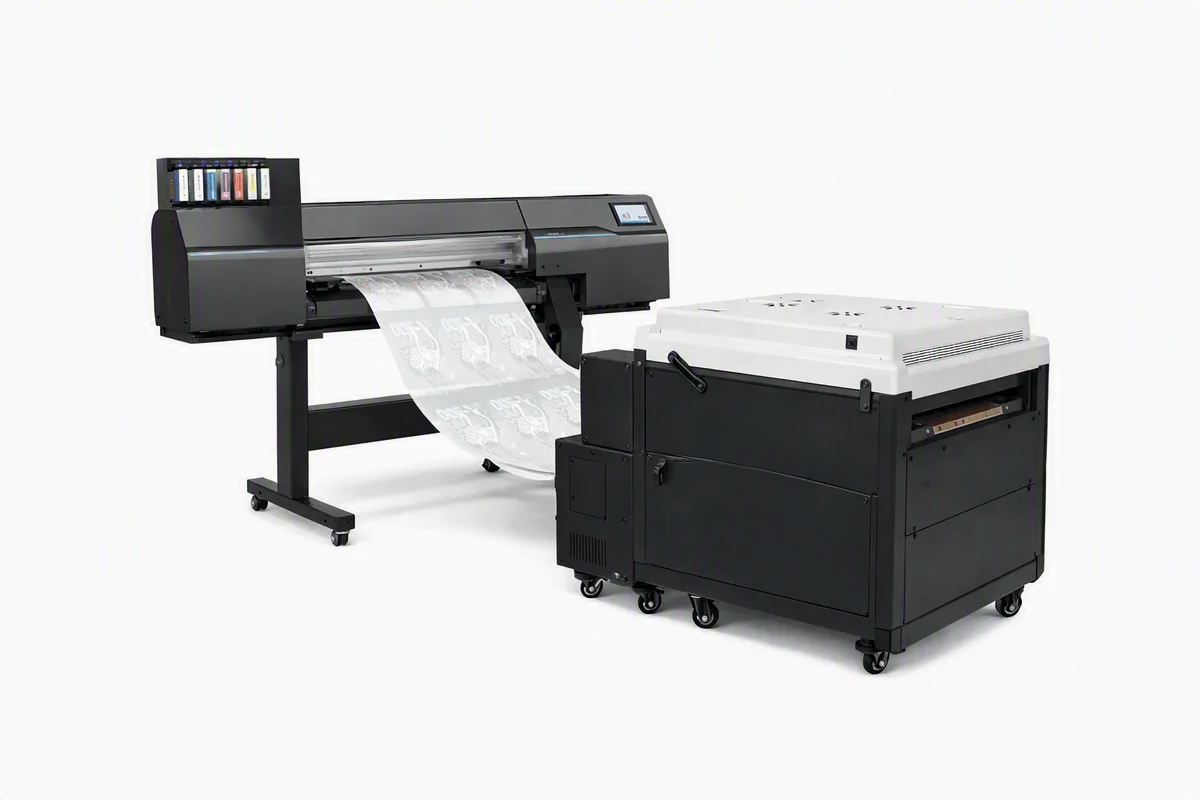
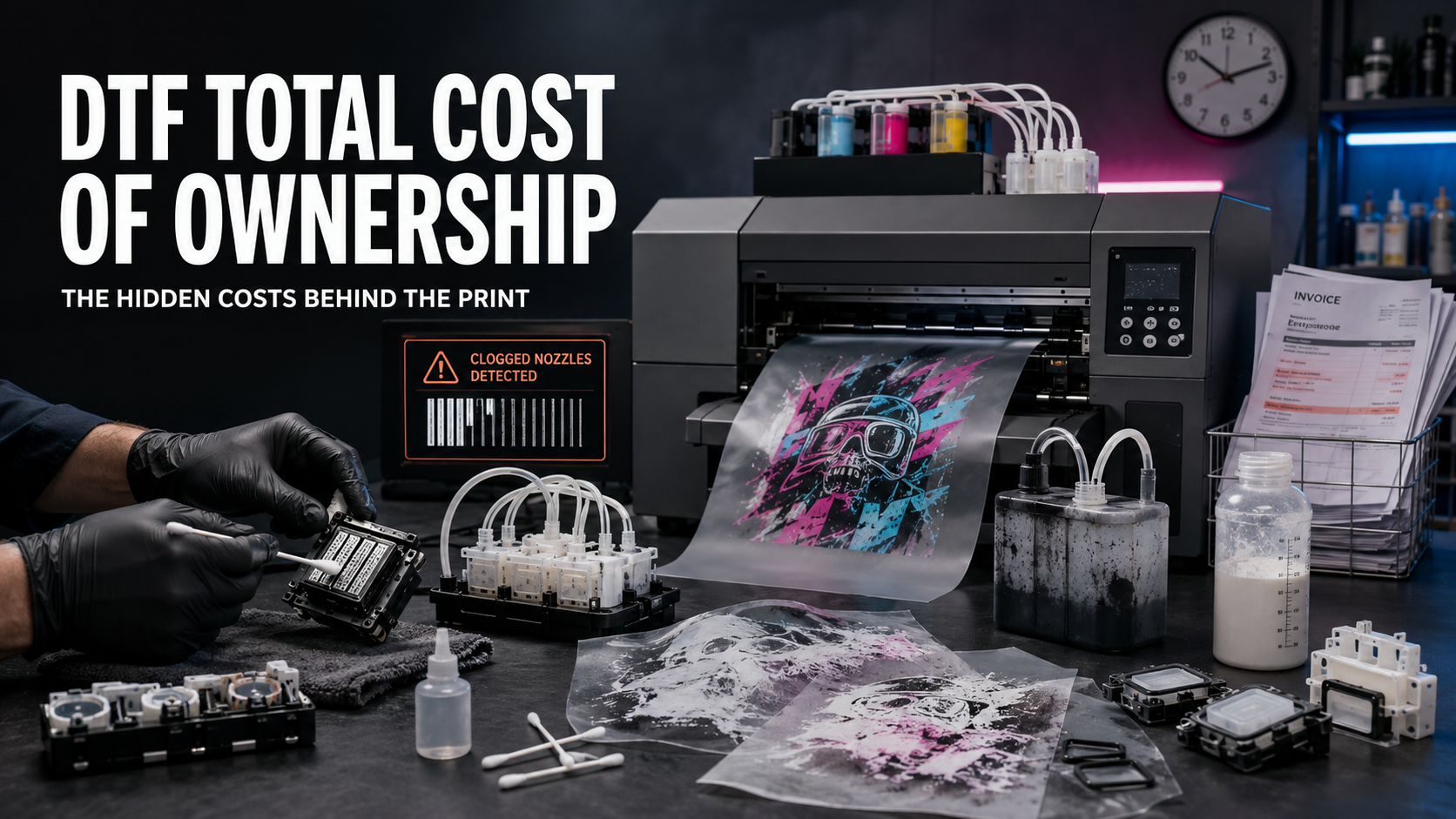
Traditional direct-to-film printing has made custom apparel production more accessible than ever. The machine itself carries an upfront price, and most buyers budget carefully for ink, powder, and film before they buy. But those consumables are only part of the real financial picture. Printheads, dampers, routine maintenance, and the production time lost when a machine goes down all affect the total cost of ownership of a DTF printer.
For a shop owner, the true measurement is not what the printer costs on day one. It is what the printer costs over its working life, including every repair, every clog, and every hour of unplanned downtime. Looking at that bigger number changes the way you treat daily maintenance.
Consumables Are Only the Starting Point
Ink, powder, and transfer film are visible and easy to track, so they get most of the attention in a cost analysis. They are real expenses, and they repeat with every job. But the hidden costs of ownership sit deeper in the machine. Printheads wear out, dampers fail, nozzles clog, and each of those failures stops production.
When a printer stops, the losses go beyond the repair bill. Missed deadlines turn into delayed orders, and delayed orders turn into lost revenue. That is why maintenance should be treated as part of the cost structure, not as an occasional inconvenience. Every minute a printer sits idle is time and money that cannot be recovered.
Printhead Replacement Is One of the Largest Single Expenses
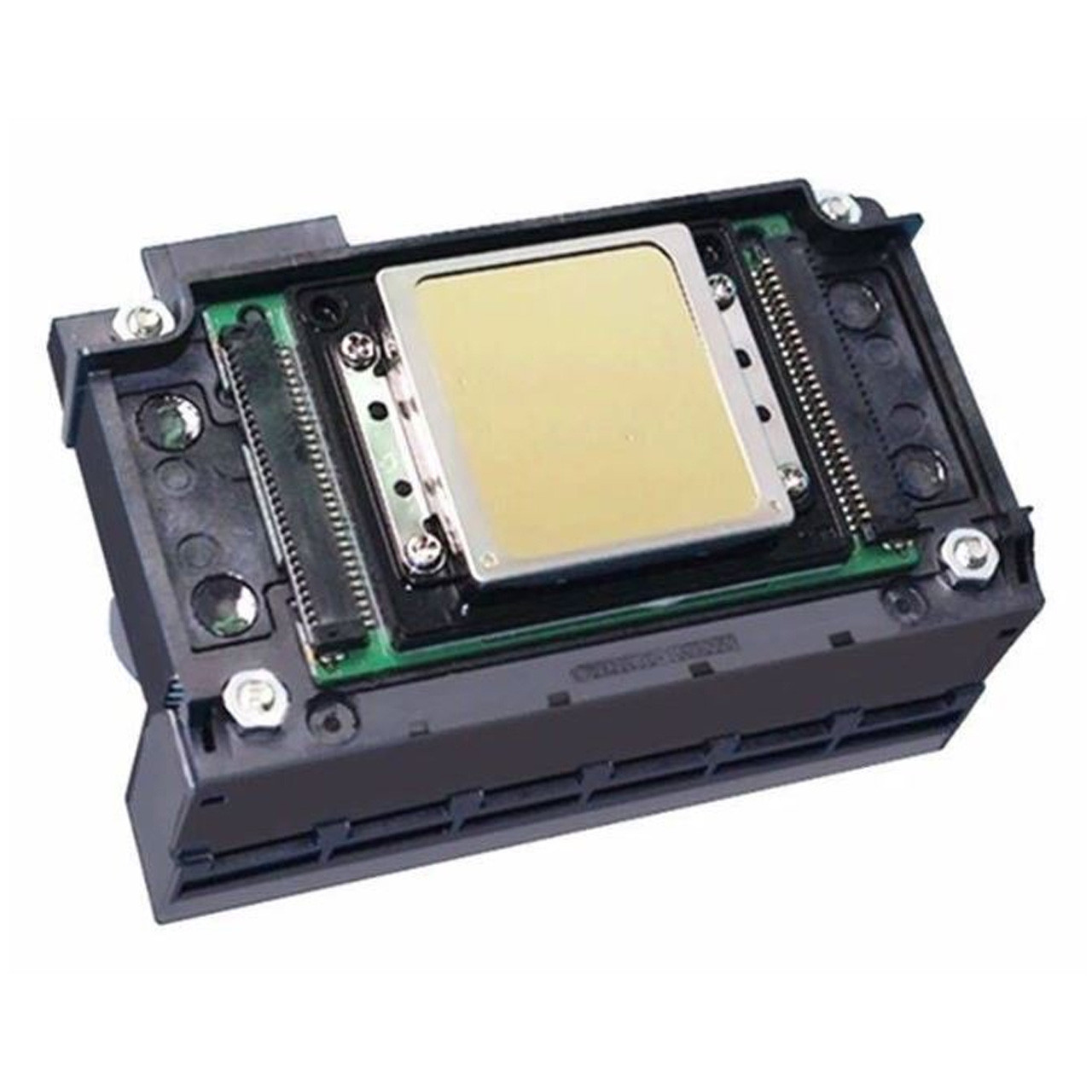
The printhead is the component that does the most work in a DTF printer, and it is also one of the most expensive to replace. Industry sources put the cost of a new printhead anywhere from $300 to $1,600, and that figure does not include the downtime and lost work that come with the swap. You do not just pay for the part. You pay for the minutes or hours that your production line stands still.
In more severe cases, the costs multiply. A printhead clogged with dried ink can halt your production line instantly. Depending on the printer and the extent of the damage, hardware replacement can reach $1,500 to $2,000, and that is before accounting for the revenue lost from delayed fulfillment. A single major clog can erase the savings from months of bargain-hunting on consumables.
Dampers: A Small Part With a big Role
Dampers sit between the ink supply and the printhead, and they regulate the flow of ink to the nozzles. They are smaller and less expensive than printheads, but they are just as important to keeping prints clean and consistent. When a damper starts to fail, the printhead may not receive the right amount of ink, which can lead to gaps, banding, or complete print failure.
One of the smartest diagnostic habits for a shop owner is to check the dampers before assuming the printhead is dead. Swapping a failing damper before automatically replacing the printhead protects profit margins, because a damper replacement costs far less than a full printhead replacement. What looks like a major hardware failure can sometimes be solved with a much cheaper fix.
When your printer starts acting up, the first checks should include ink levels, dampers, and the condition of the nozzles. Restarting the printer and the RIP software and running a printhead cleaning cycle can resolve many common errors before you spend any money at all.
Downtime Is the Hidden Cost That Hurts the Most
For a production shop, time is money. A malfunctioning printer can lead to missed deadlines, lost income, and frustrated customers. Banding, ink clogs, and alignment issues can each bring production to a halt, and every minute of downtime costs the business in both time and money.
The math is clear when you add it up. The revenue lost during downtime often dwarfs the cost of the repair itself. A shop that loses a full day of production while waiting for a replacement part has lost the profit from every order that could have been printed that day. Repeat that a few times a year, and the lost profits become one of the largest line items in the printer's true cost of ownership.
This is why preventative maintenance is not an expense. When you factor in the lost revenue from printer downtime, preventative maintenance is a proven money saver. The money spent on routine care is tiny compared to the cost of a major failure. The bottom line is traditional DTF printers need a lot of attention, so be prepared for this! But for users looking for newer models and the next level of DTF efficiency, the UNINET® DTF™ Xpress Printer is a good option that reduces traditional maintenance pain points through automation. A machine like this is relatively maintenance-free!
DTF Printers Need Daily Use or They Will Fail Eventually!
DTF printers have a quirk that surprises many new owners. Letting the machine sit idle for long periods can damage the printhead. Ink dries in the nozzles, and dried ink is exactly what leads to clogs, streaky prints, and expensive replacements.
Printheads that sit too long without activity are at risk. The best protection is simple: use the printer regularly. Taking a few extra minutes every day to keep the machine active helps prevent clogged nozzles, keeps colors vibrant, and reduces costly downtime. Daily use is not just about staying productive. It is a maintenance practice in itself.
If a printer is not going to be used, it needs a clear plan. Leaving it untouched is a gamble, and the odds are not in your favor. The nozzle that clogs today becomes the expensive printhead failure next week.
Build a Maintenance Routine That Protects Your Margins
The good news is that most expensive failures are preventable with a consistent routine. The process does not have to be complicated, and it does not have to take over your day. A few minutes of daily attention keeps the printer in working condition and catches small problems before they become large bills.
A practical routine includes these steps:
Run the printer regularly, even during slow periods, to keep ink flowing through the nozzles.
Perform a printhead cleaning cycle at the first sign of banding or missing nozzles.
Check ink levels and inspect the dampers before assuming the printhead has failed.
Restart the printer and the RIP software to clear simple error states.
Keep a log of maintenance actions so you can spot patterns before they become failures.
Each of these steps costs a few minutes. Each one prevents a problem that could cost hundreds of dollars in parts and thousands in lost production. Over the life of the machine, the time invested in maintenance is repaid many times over.
Understanding the Full Cost Before You Buy
If you are comparing DTF printers, or if you already own one, the total cost of ownership should be part of your decision. The purchase price matters, and so does the price of consumables. But the real cost is the combination of parts, labor, and lost production over time.
Ask yourself how reliable the printer is, how expensive the printheads are, how easy the dampers are to access and replace, and what the machine requires to keep the ink system healthy. A printer that is cheap to buy but expensive to maintain will cost more in the long run. A printer that needs daily attention to avoid failure is only profitable if that attention is built into your routine.
Owners who understand this treat maintenance as an operating expense, like ink and film. Owners who ignore it pay for that choice in repair bills and idle machines. The difference between the two is often just a few minutes of daily care.
Keep all of these hidden costs in mind when you evaluate what your next equipment purchase will be so you are comparing apples to apples. For users who want low-maintenance flexibility, systems like White Toner Transfer Printers are a great alternative because they almost never go down due to maintenance issues. Alternatively, you might consider something like the new UNINET® DTF™ Xpress that requires little to no maintenance to keep running consistently because all the maintenance is done automatically! The right printer is the one that matches your production volume, maintenance routine, and business goals.
Frequently Asked Questions
How much does a DTF printhead replacement cost?
A new printhead can cost anywhere from $300 to $1,600, and that price does not include the downtime and lost work caused by the replacement. In more severe cases, a hardware replacement caused by a clogged printhead can reach $1,500 to $2,000. Those figures make prevention far cheaper than repair.
How often should I use my DTF printer to prevent clogs?
DTF printers should be used on a daily basis or at least kept on a schedule that prevents ink from drying in the nozzles. Letting the printer sit idle for extended periods leads to clogged nozzles and printhead damage. A few minutes of daily activity keeps ink flowing and reduces the risk of expensive failures.
What should I check first when a DTF printer stops printing?
Start with the simple fixes. Restart the printer and the RIP software, perform a printhead cleaning cycle, and check ink levels and dampers. Many common errors are resolved with these steps. Check the dampers for failure before assuming the printhead is dead, since swapping a failing damper is much cheaper than replacing a printhead.
Are dampers cheaper to replace than printheads?
Yes, dampers are a smaller and less expensive component than a printhead. Swapping a failing damper before assuming the printhead needs replacement protects your profit margins. Because a printhead replacement can cost hundreds of dollars, checking the dampers first is one of the smartest diagnostic steps a shop owner can take.
The total cost of ownership of a DTF printer comes down to one idea: protect the machine, and the machine protects your profit. The daily routine, the early replacement of a failing damper, and the commitment to keeping the printhead healthy are small investments compared to the cost of downtime, lost orders, and an expensive repair.